How Trump's Canada Trade War Could Trigger a Return to QE
A U.S.-Canada trade war may push the Fed back toward quantitative easing — and that's bullish for gold, stocks, and long bonds.
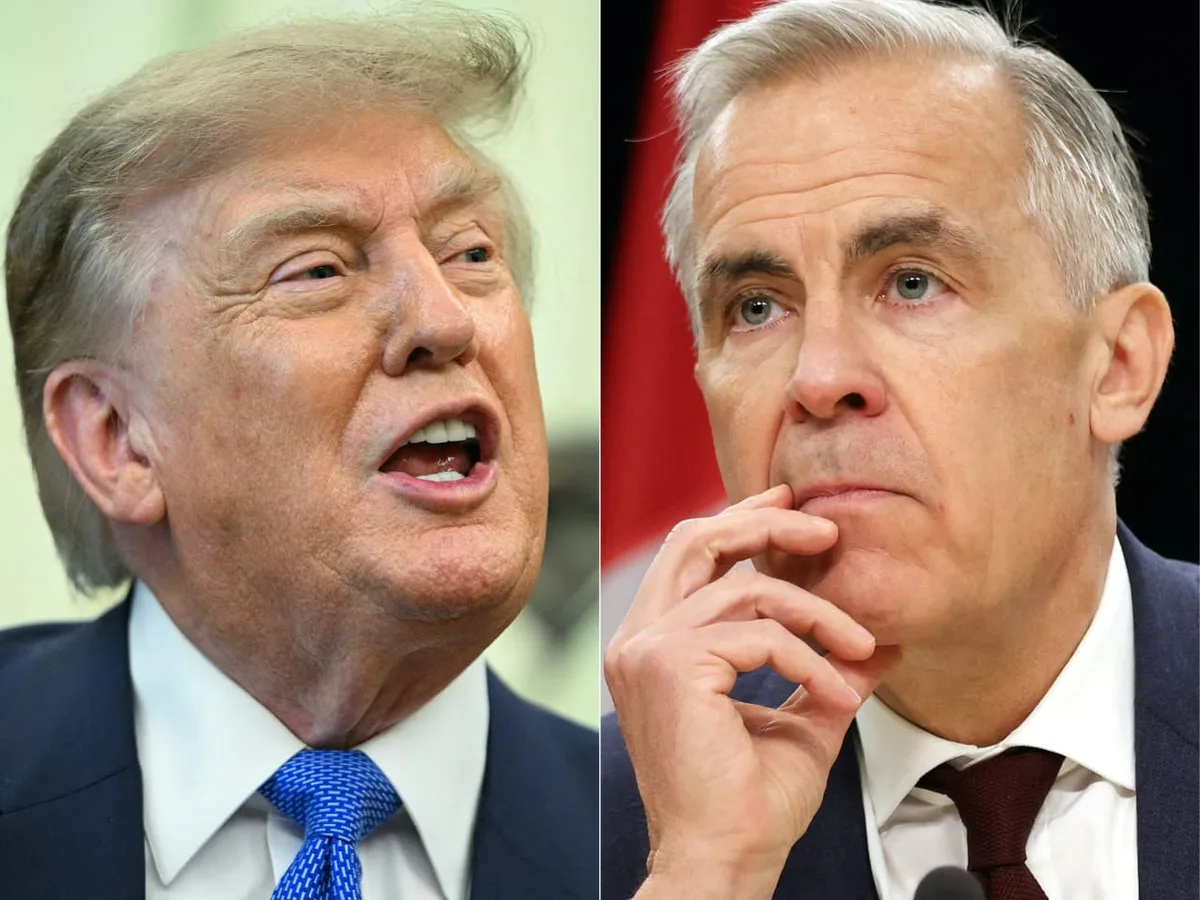
Here's the trade nobody's talking about loudly enough: if Trump's tariff war with Canada escalates far enough, the Federal Reserve could find itself dusting off the quantitative easing playbook. That's not a fringe take — that's the logical endgame when a major supply-chain disruption collides with a slowing economy and a Fed that has limited room to cut rates conventionally.
The mechanism isn't complicated. Heavy tariffs on Canadian goods raise input costs for U.S. businesses, squeeze consumer spending power, and risk tipping growth negative. When growth craters and the conventional rate-cut toolkit runs thin, the Fed historically reaches for the balance-sheet lever. We've seen this movie twice already — 2008 and 2020. Both times, QE lit a fire under risk assets.
Read more Trump's Oil and Gas Holdings Rose $15.5M During Iran Tensions →
So what does that mean for your portfolio right now? Think gold, long-duration Treasurys, and equities — in roughly that order of conviction. Gold wins first because it prices in monetary debasement before the Fed even acts. Long bonds rally as yields get crushed by asset purchases. Stocks take longer because you need the earnings damage from the trade war to bottom out before the QE tailwind fully kicks in. Patience is the position.
The timing risk is real. You could be early by quarters, not weeks. Trade wars have a nasty habit of dragging on longer than markets expect, meaning the pain trade could get worse before the QE cavalry arrives. Size accordingly — this is a thesis bet, not a YOLO.
The Canada angle matters because the U.S.-Canada trade relationship is massive and deeply integrated. Disrupting it isn't like slapping tariffs on a distant trading partner. The damage feeds through fast, which paradoxically could accelerate the Fed's timeline toward extraordinary intervention. Watch this space. Continue reading at MarketWatch.com